
 Image 1 of 1
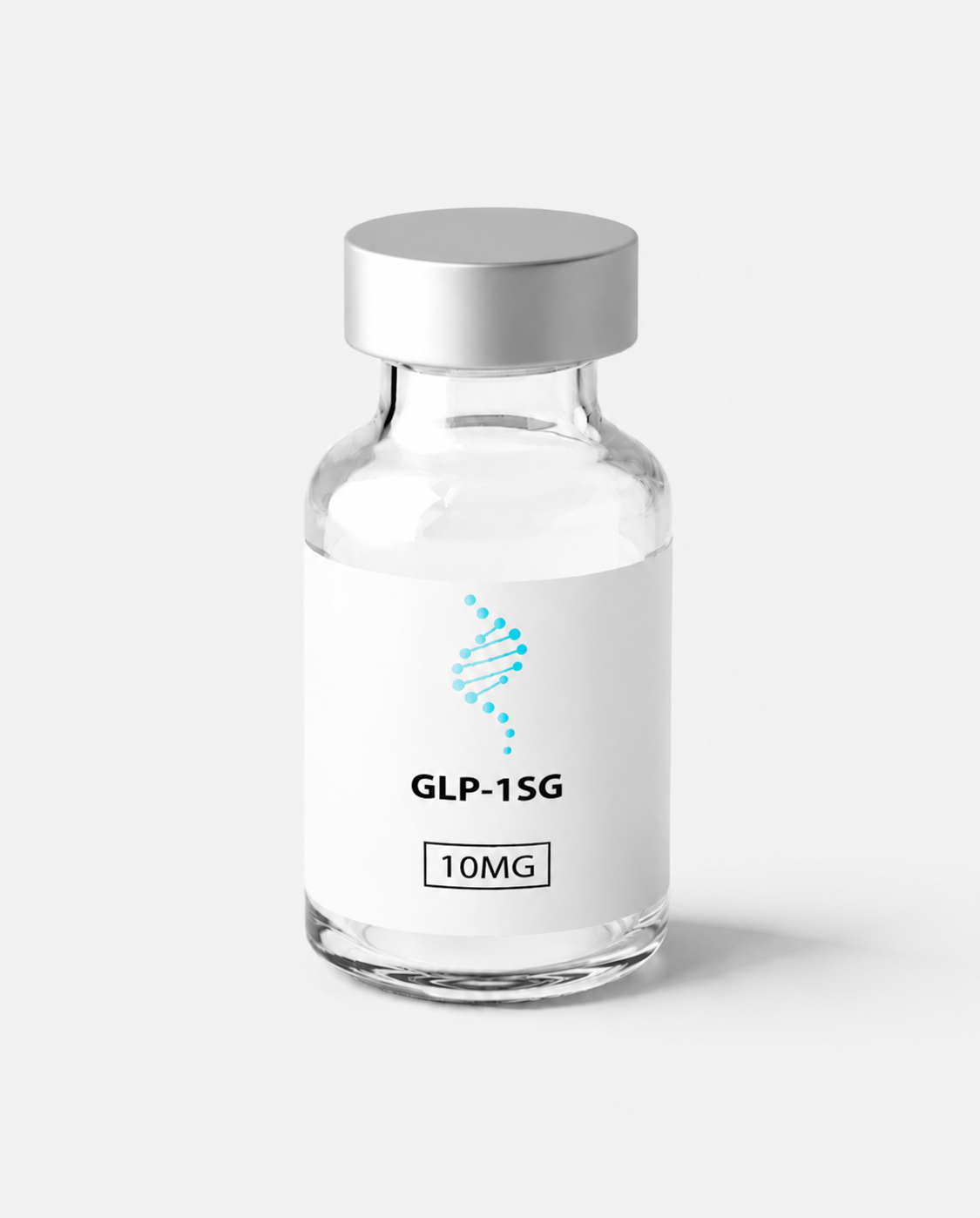
GLP-1 (Glucagon-Like Peptide-1) receptor agonists, specifically Semaglutide (marketed as Ozempic and Wegovy), are synthetic versions of a hormone naturally produced in the gut. While other peptides like AOD-9604 or L-Carnitine focus on the mechanics of burning fat, GLP-1s revolutionize weight loss by targeting the brain's control centers for hunger and satiety.
Appetite Regulation & "Food Noise": Semaglutide mimics the GLP-1 hormone that signals the brain (specifically the hypothalamus) to feel full. It significantly reduces "food noise"—the constant intrusive thoughts about eating—making it much easier to adhere to a calorie deficit.
Delayed Gastric Emptying: It slows down the rate at which the stomach empties its contents into the small intestine. This physical effect leads to a prolonged sense of fullness after even small meals.
Glucose-Dependent Insulin Secretion: It signals the pancreas to release insulin, but only when blood sugar is high. This improves glycemic control and insulin sensitivity without the high risk of hypoglycemia (low blood sugar) associated with older diabetes drugs.
Glucagon Suppression: By lowering the secretion of glucagon, it prevents the liver from releasing unnecessary sugar into the bloodstream, further stabilizing energy levels and reducing fat storage.
Cardiovascular & Renal Protection: Beyond weight loss, clinical trials (like SELECT) have shown that Semaglutide significantly reduces the risk of major adverse cardiovascular events (heart attack, stroke) and helps protect kidney function in diabetic patients.
Visceral Fat Targeting: While it promotes overall weight loss, it is particularly effective at reducing visceral fat, which improves metabolic markers like HbA1c, blood pressure, and cholesterol levels.
GLP-1 (Glucagon-Like Peptide-1) receptor agonists, specifically Semaglutide (marketed as Ozempic and Wegovy), are synthetic versions of a hormone naturally produced in the gut. While other peptides like AOD-9604 or L-Carnitine focus on the mechanics of burning fat, GLP-1s revolutionize weight loss by targeting the brain's control centers for hunger and satiety.
Appetite Regulation & "Food Noise": Semaglutide mimics the GLP-1 hormone that signals the brain (specifically the hypothalamus) to feel full. It significantly reduces "food noise"—the constant intrusive thoughts about eating—making it much easier to adhere to a calorie deficit.
Delayed Gastric Emptying: It slows down the rate at which the stomach empties its contents into the small intestine. This physical effect leads to a prolonged sense of fullness after even small meals.
Glucose-Dependent Insulin Secretion: It signals the pancreas to release insulin, but only when blood sugar is high. This improves glycemic control and insulin sensitivity without the high risk of hypoglycemia (low blood sugar) associated with older diabetes drugs.
Glucagon Suppression: By lowering the secretion of glucagon, it prevents the liver from releasing unnecessary sugar into the bloodstream, further stabilizing energy levels and reducing fat storage.
Cardiovascular & Renal Protection: Beyond weight loss, clinical trials (like SELECT) have shown that Semaglutide significantly reduces the risk of major adverse cardiovascular events (heart attack, stroke) and helps protect kidney function in diabetic patients.
Visceral Fat Targeting: While it promotes overall weight loss, it is particularly effective at reducing visceral fat, which improves metabolic markers like HbA1c, blood pressure, and cholesterol levels.