
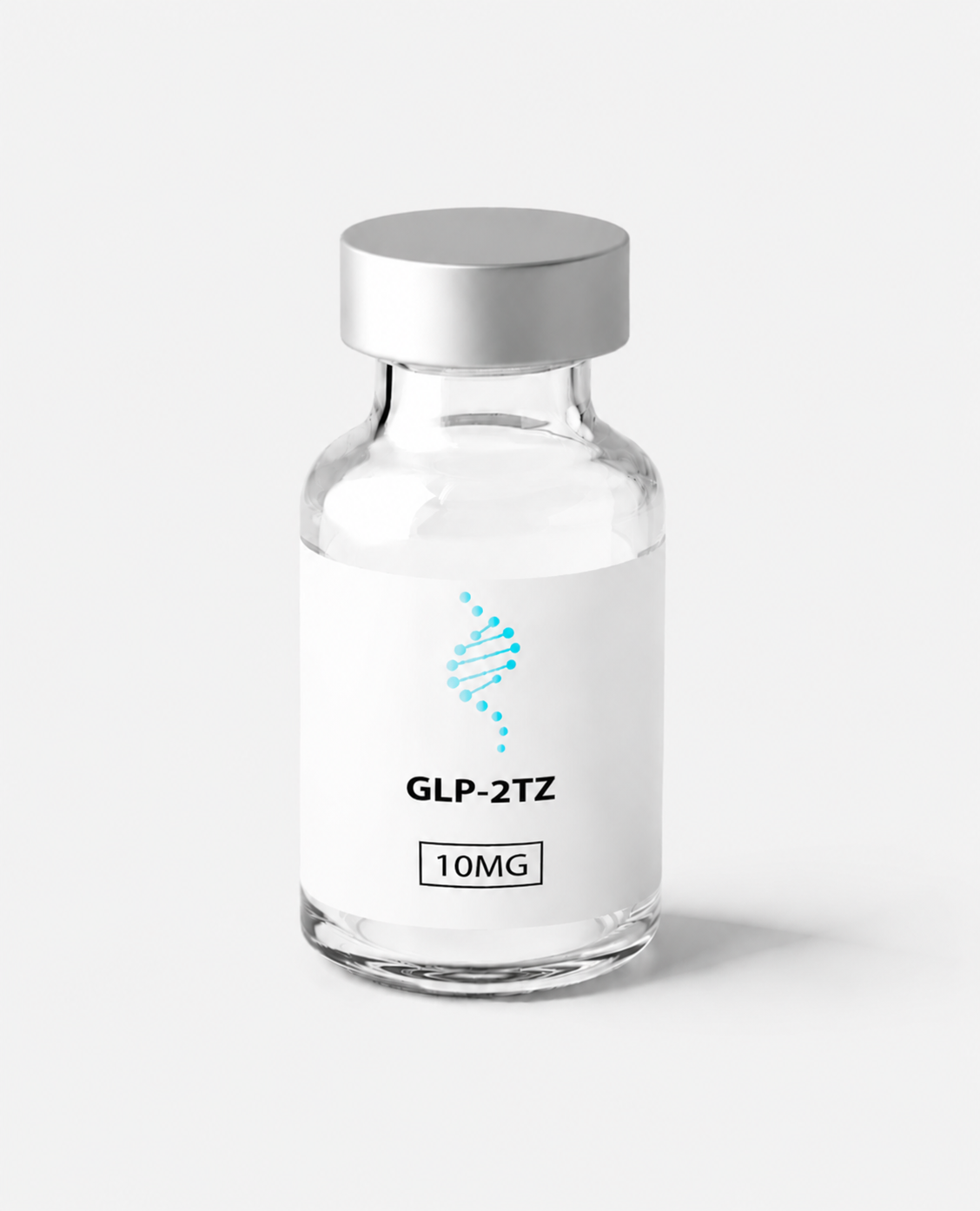
 Image 1 of 5
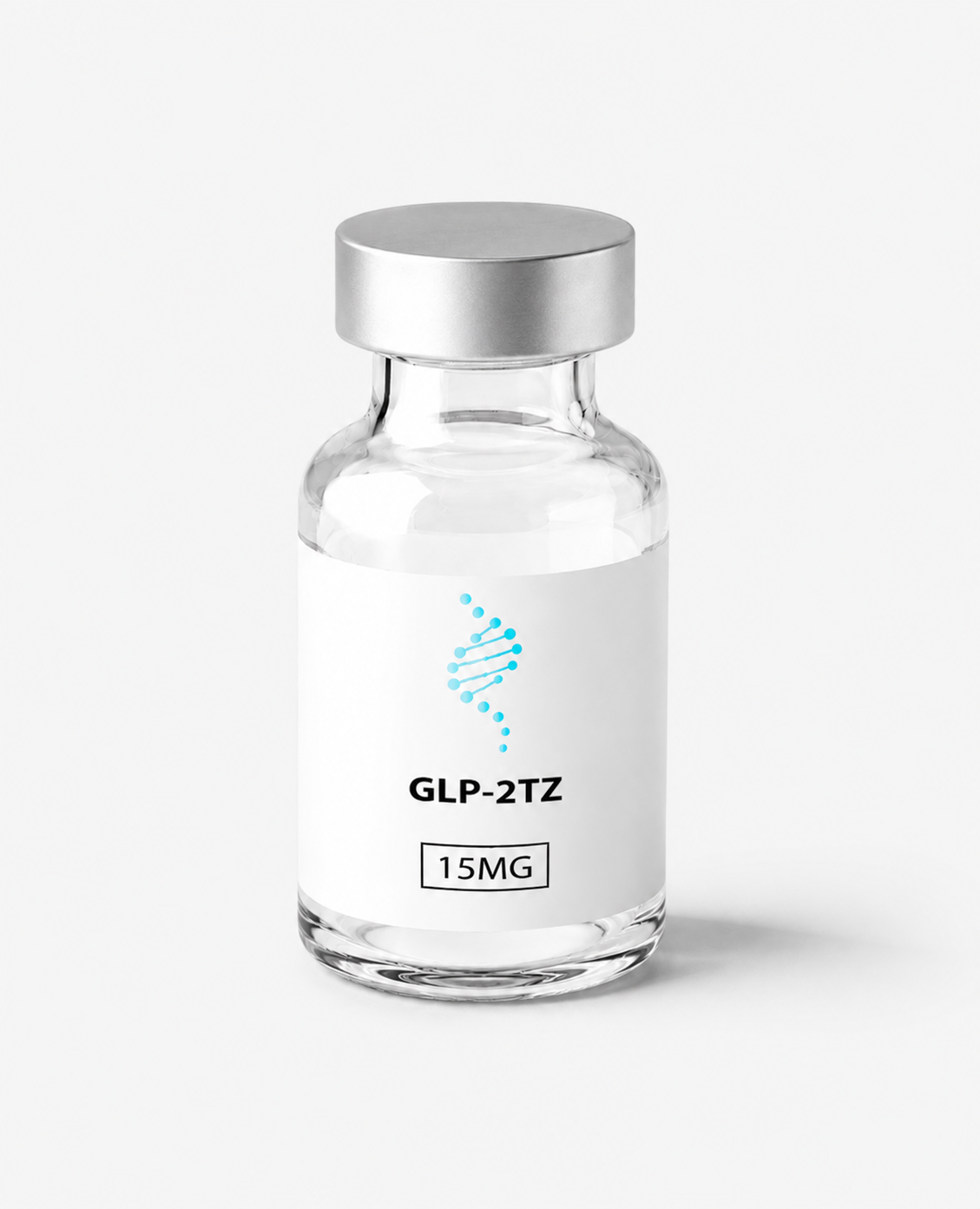 Image 2 of 5
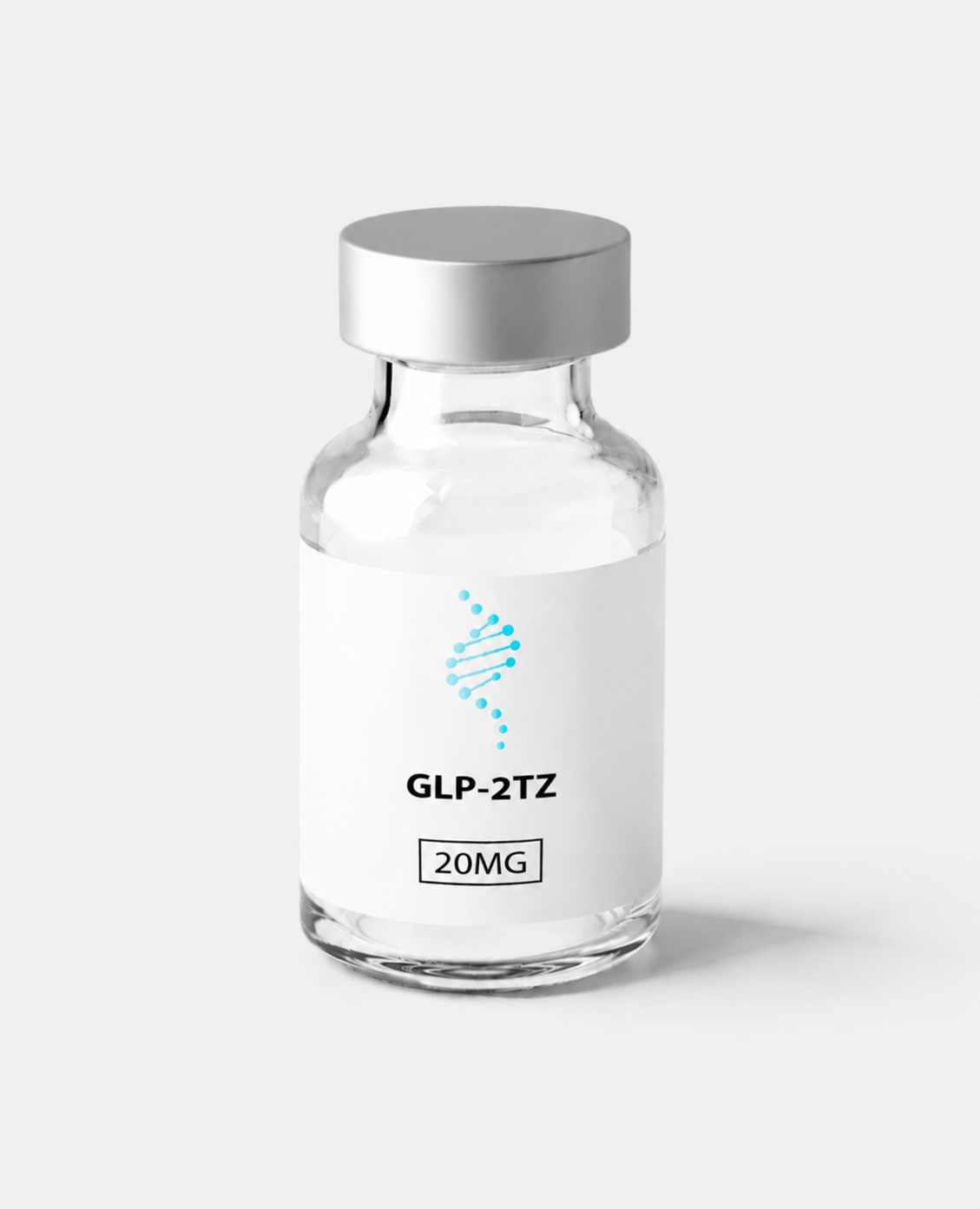 Image 3 of 5
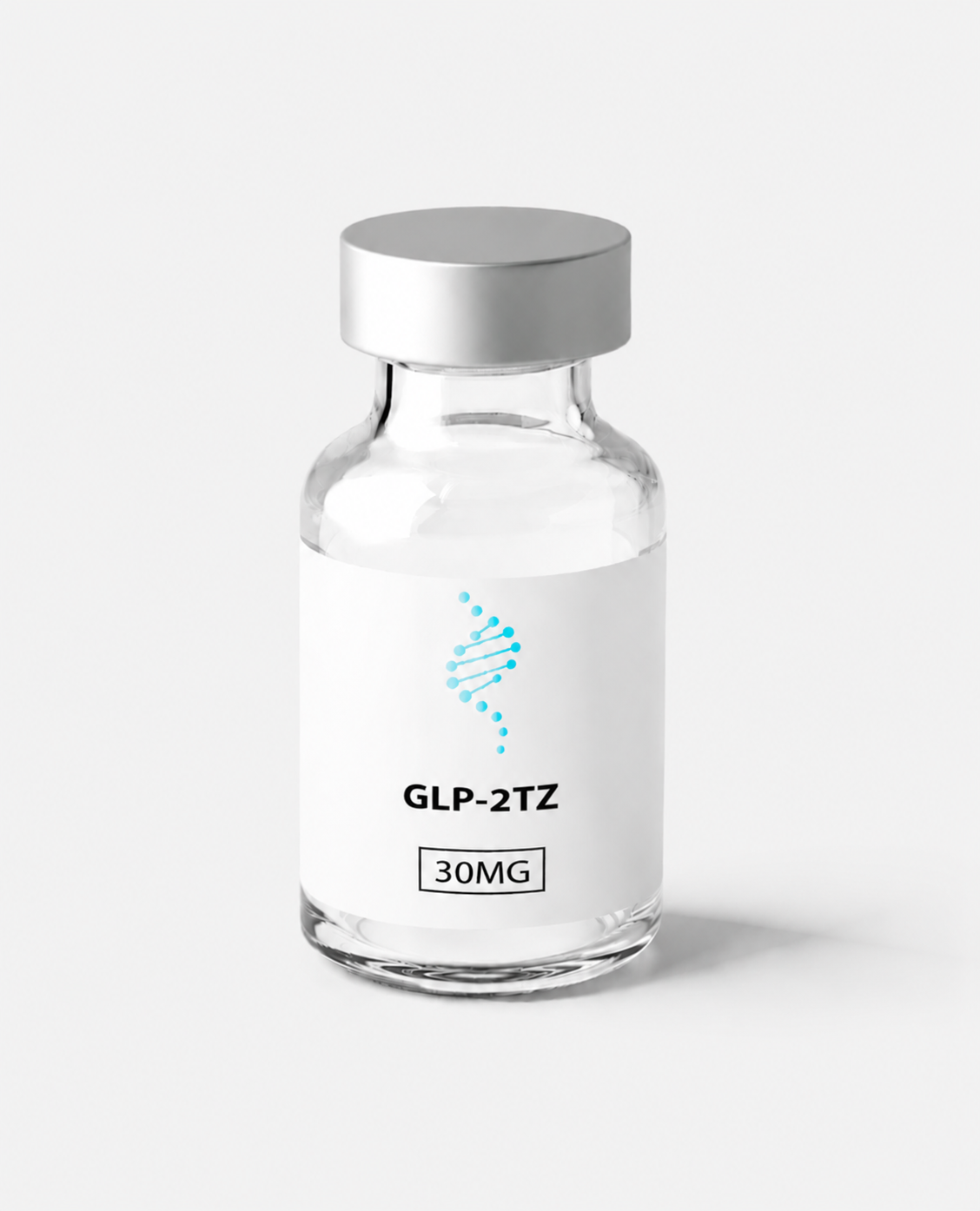 Image 4 of 5
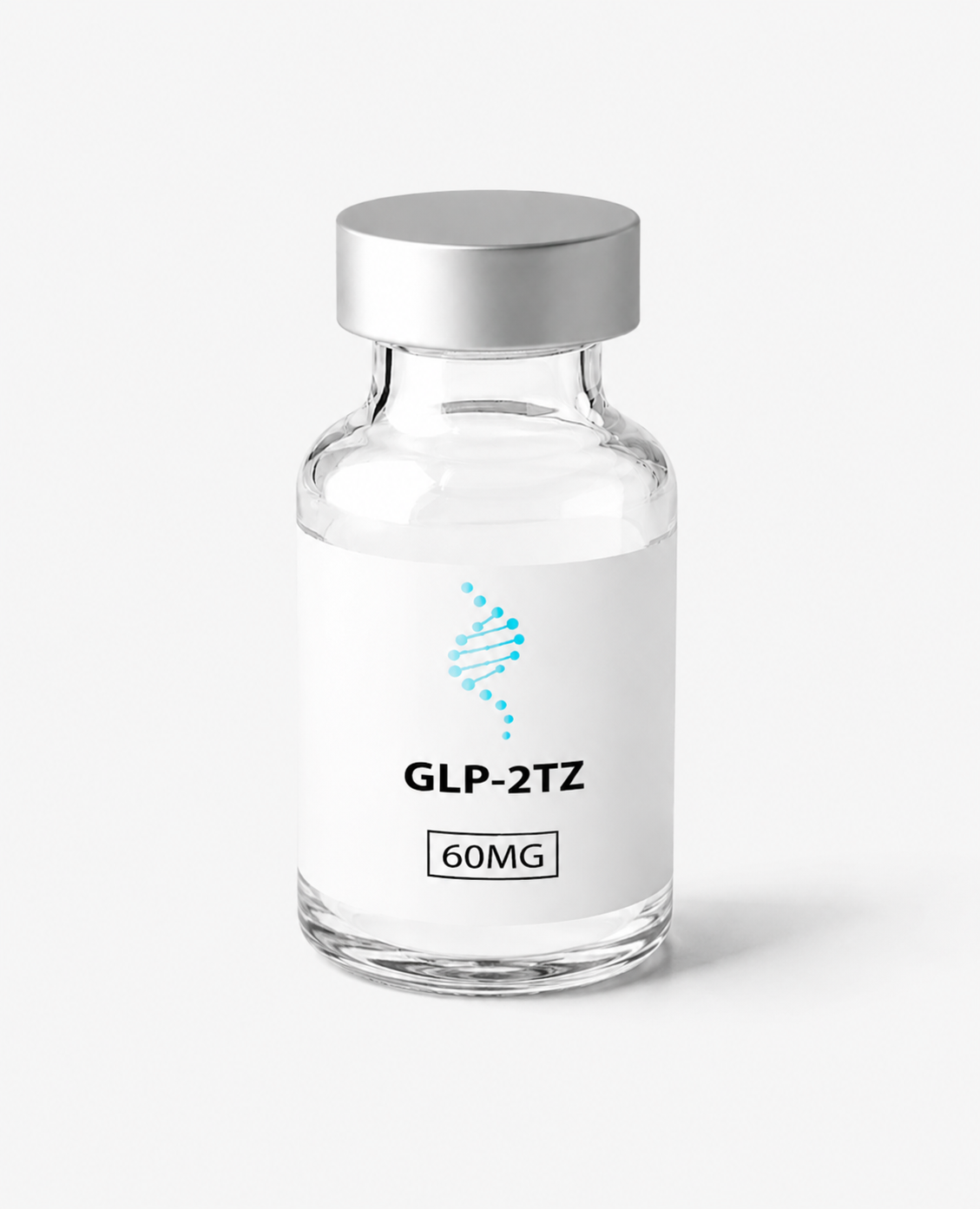 Image 5 of 5
While GLP-1 (Semaglutide) targets one receptor, Tirzepatide targets two: the Glucagon-like peptide-1 receptor and the Glucose-dependent insulinotropic polypeptide (GIP) receptor. This "twincretin" approach makes it significantly more potent than Semaglutide for both weight loss and blood sugar control.
Dual-Action Signaling: By activating both GLP-1 and GIP receptors, Tirzepatide attacks metabolic dysfunction from two angles. The GIP component is thought to enhance the body's sensitivity to its own satiety signals and potentially improve how the body stores and utilizes fat.
Superior Weight Loss: In clinical trials (such as the SURMOUNT-1 study), participants on the highest dose of Tirzepatide lost an average of 20–22.5% of their body weight, compared to the ~15% typically seen with Semaglutide.
Adipose Tissue Health: The GIP component is believed to act directly on white adipose (fat) tissue, improving its blood flow and metabolic health. This may lead to less systemic inflammation compared to other weight-loss methods.
Enhanced Glucose Regulation: It is exceptionally powerful at lowering HbA1c levels. By stimulating insulin only when needed and suppressing glucagon, it creates a very stable blood sugar environment, which also helps reduce sugar cravings.
Potential "Side Effect Buffering": Interestingly, some research suggests that the GIP component may help counteract some of the nausea typically caused by GLP-1 stimulation, though gastrointestinal side effects (nausea, diarrhea) are still common during the dose-escalation phase.
Metabolic Flexibility: Tirzepatide helps "reset" the metabolic set point, making the body more efficient at switching between burning glucose and burning stored body fat.
While GLP-1 (Semaglutide) targets one receptor, Tirzepatide targets two: the Glucagon-like peptide-1 receptor and the Glucose-dependent insulinotropic polypeptide (GIP) receptor. This "twincretin" approach makes it significantly more potent than Semaglutide for both weight loss and blood sugar control.
Dual-Action Signaling: By activating both GLP-1 and GIP receptors, Tirzepatide attacks metabolic dysfunction from two angles. The GIP component is thought to enhance the body's sensitivity to its own satiety signals and potentially improve how the body stores and utilizes fat.
Superior Weight Loss: In clinical trials (such as the SURMOUNT-1 study), participants on the highest dose of Tirzepatide lost an average of 20–22.5% of their body weight, compared to the ~15% typically seen with Semaglutide.
Adipose Tissue Health: The GIP component is believed to act directly on white adipose (fat) tissue, improving its blood flow and metabolic health. This may lead to less systemic inflammation compared to other weight-loss methods.
Enhanced Glucose Regulation: It is exceptionally powerful at lowering HbA1c levels. By stimulating insulin only when needed and suppressing glucagon, it creates a very stable blood sugar environment, which also helps reduce sugar cravings.
Potential "Side Effect Buffering": Interestingly, some research suggests that the GIP component may help counteract some of the nausea typically caused by GLP-1 stimulation, though gastrointestinal side effects (nausea, diarrhea) are still common during the dose-escalation phase.
Metabolic Flexibility: Tirzepatide helps "reset" the metabolic set point, making the body more efficient at switching between burning glucose and burning stored body fat.