
 Image 1 of 2
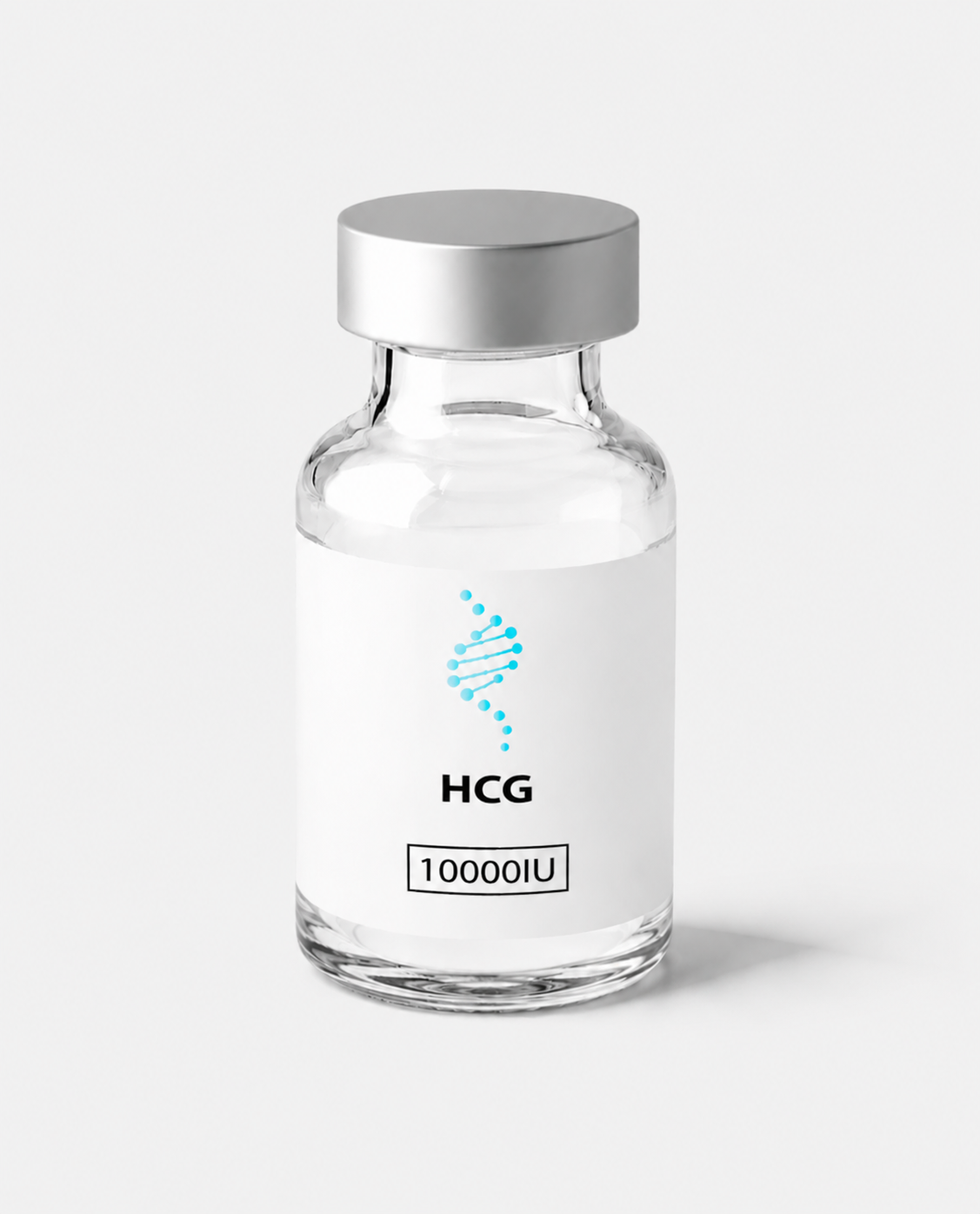 Image 2 of 2
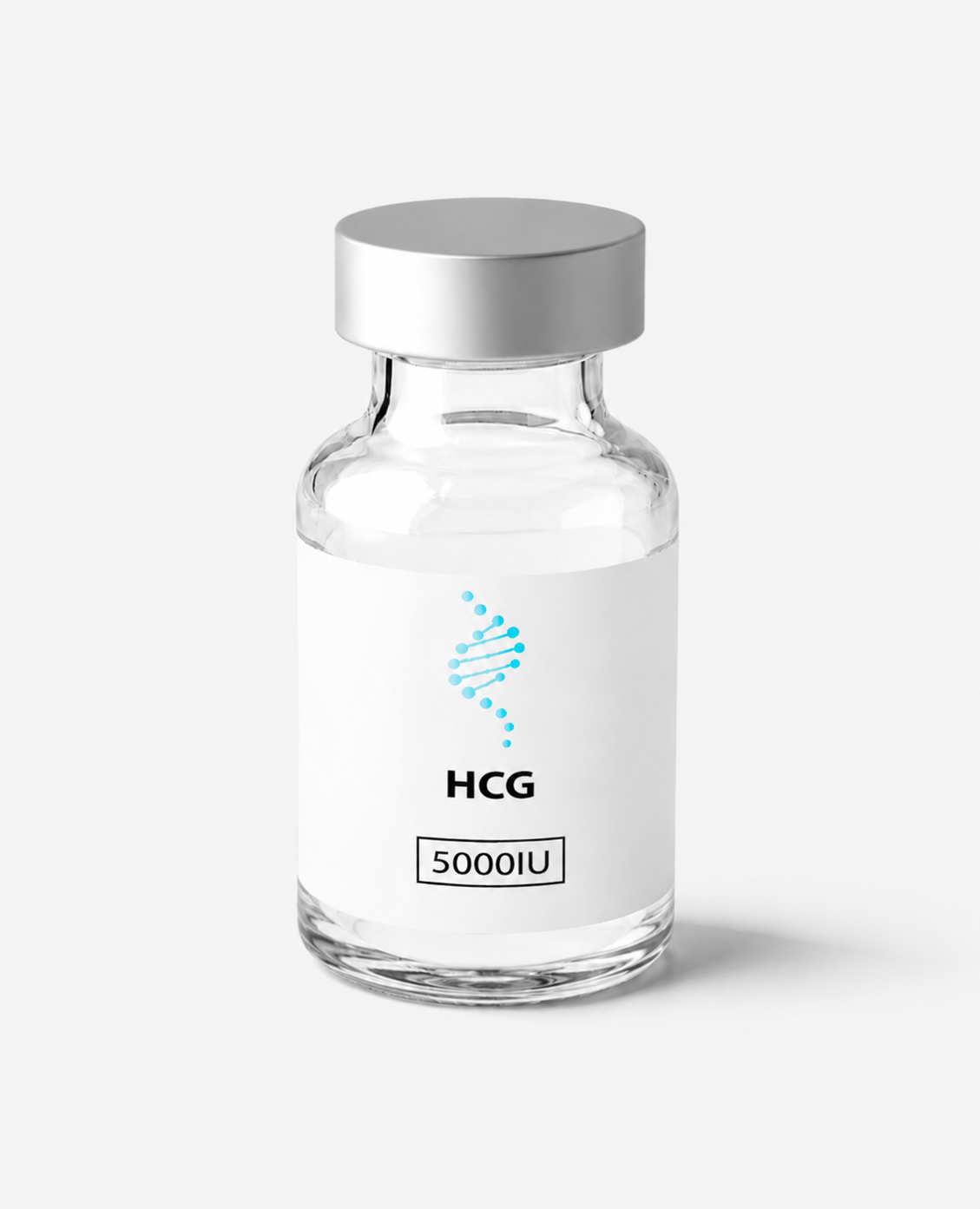
HCG (Human Chorionic Gonadotropin) is a glycoprotein hormone naturally produced in high amounts during pregnancy. In a clinical and "wellness" context, it is not a peptide in the same category as AOD-9604 or BPC-157, but rather a large hormone that mimics Luteinizing Hormone (LH).
LH Mimicry: HCG is structurally similar to Luteinizing Hormone. In men, it signals the Leydig cells in the testes to produce natural testosterone. In women, it is used to trigger ovulation.
Hormonal Maintenance (TRT Support): It is the "gold standard" for men on Testosterone Replacement Therapy (TRT). Because exogenous testosterone shuts down the body's natural production, HCG is used to prevent testicular atrophy (shrinkage) and maintain natural fertility during treatment.
Metabolic Support (The HCG Diet Context): While controversial and requiring strict medical supervision, HCG has historically been used in weight-loss protocols. Proponents suggest it helps "mobilize" stubborn fat stores for energy during calorie restriction while preventing the loss of lean muscle mass.
Fertility Restoration: It is frequently used to "re-start" natural testosterone and sperm production after a cycle of anabolic steroids or when coming off long-term TRT (often as part of a Post-Cycle Therapy or PCT).
Neurosteroid Support: Some research suggests that by stimulating the upstream hormonal pathways, HCG supports the production of neurosteroids like pregnenolone, which can improve mood, libido, and cognitive "clarity" that might be missing on testosterone alone.
Visceral Fat Targeting: Like AOD-9604, HCG is often sought out for its perceived ability to help the body prioritize burning visceral (abdominal) fat rather than structural fat or muscle during a deficit.
HCG (Human Chorionic Gonadotropin) is a glycoprotein hormone naturally produced in high amounts during pregnancy. In a clinical and "wellness" context, it is not a peptide in the same category as AOD-9604 or BPC-157, but rather a large hormone that mimics Luteinizing Hormone (LH).
LH Mimicry: HCG is structurally similar to Luteinizing Hormone. In men, it signals the Leydig cells in the testes to produce natural testosterone. In women, it is used to trigger ovulation.
Hormonal Maintenance (TRT Support): It is the "gold standard" for men on Testosterone Replacement Therapy (TRT). Because exogenous testosterone shuts down the body's natural production, HCG is used to prevent testicular atrophy (shrinkage) and maintain natural fertility during treatment.
Metabolic Support (The HCG Diet Context): While controversial and requiring strict medical supervision, HCG has historically been used in weight-loss protocols. Proponents suggest it helps "mobilize" stubborn fat stores for energy during calorie restriction while preventing the loss of lean muscle mass.
Fertility Restoration: It is frequently used to "re-start" natural testosterone and sperm production after a cycle of anabolic steroids or when coming off long-term TRT (often as part of a Post-Cycle Therapy or PCT).
Neurosteroid Support: Some research suggests that by stimulating the upstream hormonal pathways, HCG supports the production of neurosteroids like pregnenolone, which can improve mood, libido, and cognitive "clarity" that might be missing on testosterone alone.
Visceral Fat Targeting: Like AOD-9604, HCG is often sought out for its perceived ability to help the body prioritize burning visceral (abdominal) fat rather than structural fat or muscle during a deficit.